EMDR Therapy: What is the Best Option for You?

Qualified Therapist? Self-Administered? VirtualEMDR Software?
If you've been considering EMDR therapy as a way to address your challenges, finding the right approach to meet your needs is crucial.
Can you find a qualified EMDR therapist with a specialty in the areas you are dealing with? Are you considering doing it on your own, "self-administered," and is that a good idea? Are there other options?
Here are some key aspects to understand about EMDR, which will help you make the decision on which approach to use:
Comprehensive Therapy Technique
EMDR is more than just eye movements. It encompasses an eight-phase treatment method, including history taking, client preparation, assessment, desensitization, reprocessing, body scan, closure, and reevaluation. Each phase contributes to the overall effectiveness of the therapy.
A Key Element: The Client Preparation Stage
The preparation stage helps the client develop resources that help them physiologically regulate. If you experience high levels of anxiety, this would entail focusing on tools to calm your nervous system before proceeding further. If you work with a therapist, this might take anywhere from part of one session to many sessions if you have dissociation or significant dysregulation.
If you proceed with self-administered EMDR, this is an important step not to skip! I do have YouTube videos on grounding techniques and a safe place exercise, which are the exercises I would do with clients as part of this process.
Choosing Your Access to EMDR:
#1 Find a Qualified EMDR Therapist
I highly recommend seeking out a therapist who is trained in EMDR and specializes in the specific issue you're facing, be it anxiety, PTSD, or any other concern. Having a skilled and experienced therapist by your side can significantly enhance the efficacy of the therapy.
If you can find a qualified EMDR therapist with a specialty in your area that you can afford and with whom you connect, this is definitely the route I’d suggest! And I would suggest this whether you saw the therapist in person, or via video. However, for those who can not afford or access a qualified therapist, the next two options could be considered.
#2 VirtualEMDR Software
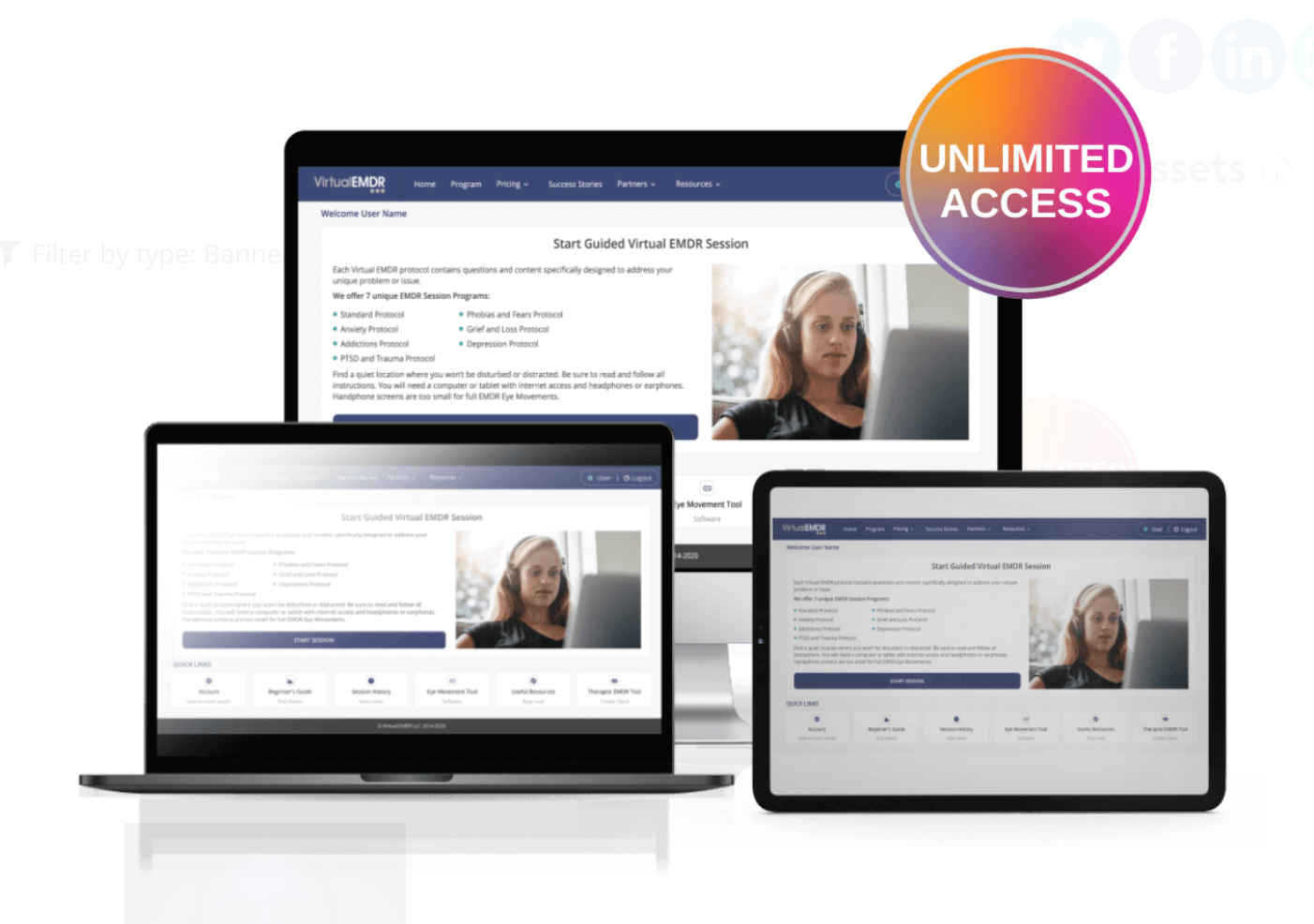
VirtualEMDR offers convenience and effectiveness. This option allows you to self-administer EMDR, but you are prompted with questions that guide you through the process. The questions are similar to what a therapist would ask you. They help you stay focused on fully developing your target, coming up with the negative core belief, and processing with those in mind. There is also a portion to instill the positive core belief and emotionally regulate at the end of the session. [For VirtualEMDR Use Promo Code: AWAKENJOY20 for 20% off. Using my link will support my channel as I am an affiliate.]
#3 Self-Administered EMDR
If you're considering self-administered EMDR, there are several factors to consider. It's essential to assess whether you have the necessary resources and support in place. Additionally, the level of challenge posed by your memories and current life issues should be taken into account. I encourage you to watch my Youtube video, "Is Self-Administered EMDR Right for You?" for a more detailed exploration of this option.
I invite you to check out my latest YouTube video, where I delve deeper into the topic of EMDR therapy and share real-life experiences of individuals who have benefited from virtual EMDR.
You can find the video here: Options for Accessing EMDR.

Blog Author: Barbara Heffernan, LCSW, MBA. Barbara is a licensed psychotherapist and specialist in anxiety, trauma, and healthy boundaries. She had a private practice in Connecticut for twenty years before starting her popular YouTube channel designed to help people around the world live a more joyful life. Barbara has a BA from Yale University, an MBA from Columbia University and an MSW from SCSU. More info on Barbara can be found on her bio page.
Share this with someone who can benefit from this blog!